The big men are all deaf; they don't want to hear the little squeaking as they walk across the street in cleated boots (Sylvia Plath, 11 September 1950)
I was recently invited to contribute to a collection of “hundreds” (100-word texts) for Anthropology and Humanism in honor of the UT Austin anthropologist Kathleen Stewart. Here—in its entirety—is my text. It is Open Access. Link here.
Hundreds and hundreds
Columbine, West Nickel Mines School, Virginia Tech, Northern Illinois U, Collier Township women’s aerobics class, U Alabama Huntsville, Chardon HS, Oikos U, Oak Creek Sikh temple, Sandy Hook ES, Isla Vista sorority house, Marysville Pilchuck HS, Emanuel African Methodist Episcopal Church, Umpqua Community College, Pulse nightclub Orlando, Sutherland Springs First Baptist Church, Stoneman Douglas HS, Santa Fe HS, Tree of Life synagogue, Borderline Bar Thousand Oaks, UNC Charlotte, Walmart El Paso, Texas A & M Greensville, Atlanta spas, Oxford HS, Top supermarket Buffalo, Robb ES Uvalde, U Virginia Charlottesville, Arts HS St Louis, Club Q Colorado Springs, Michigan State U …
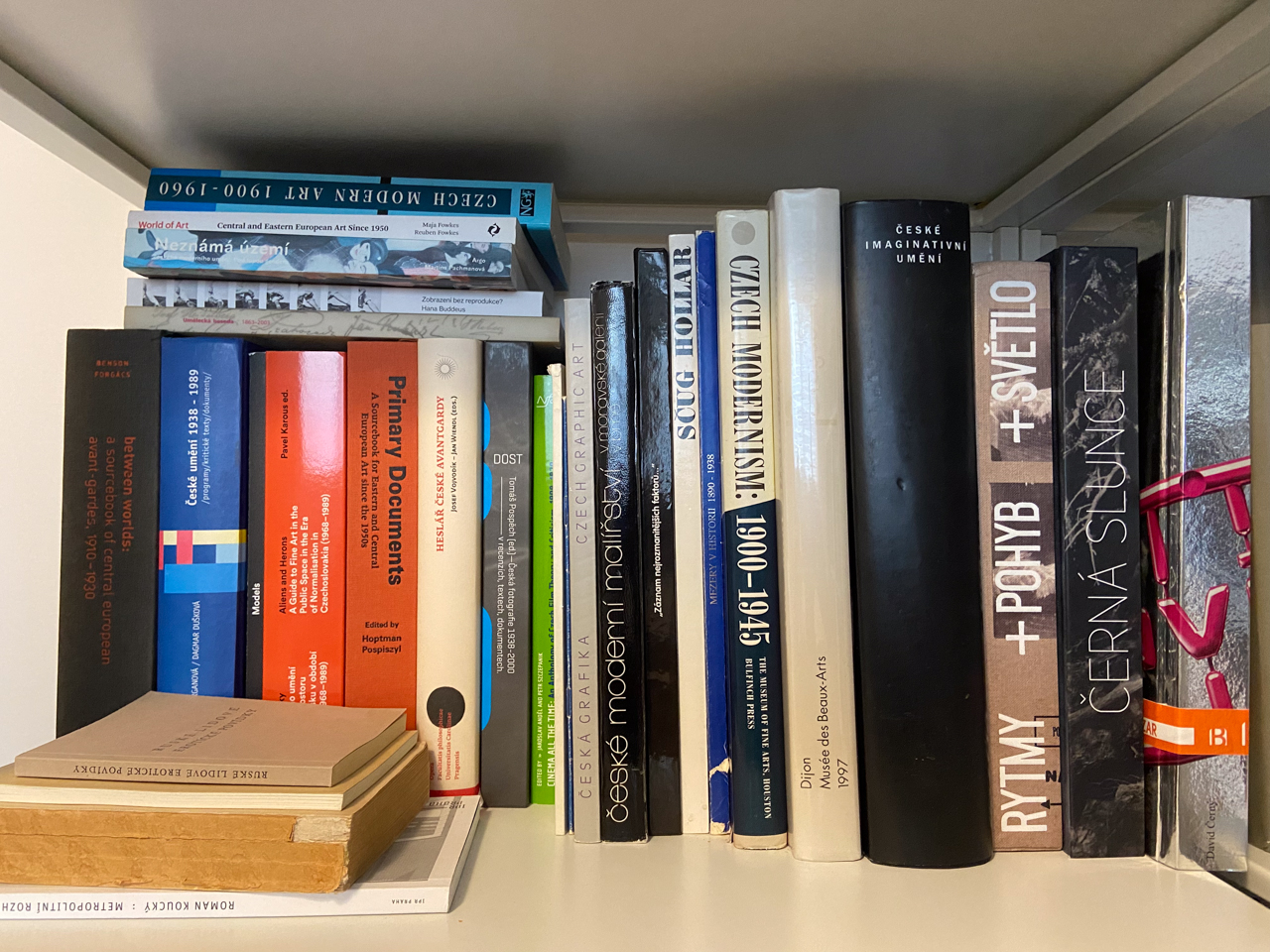
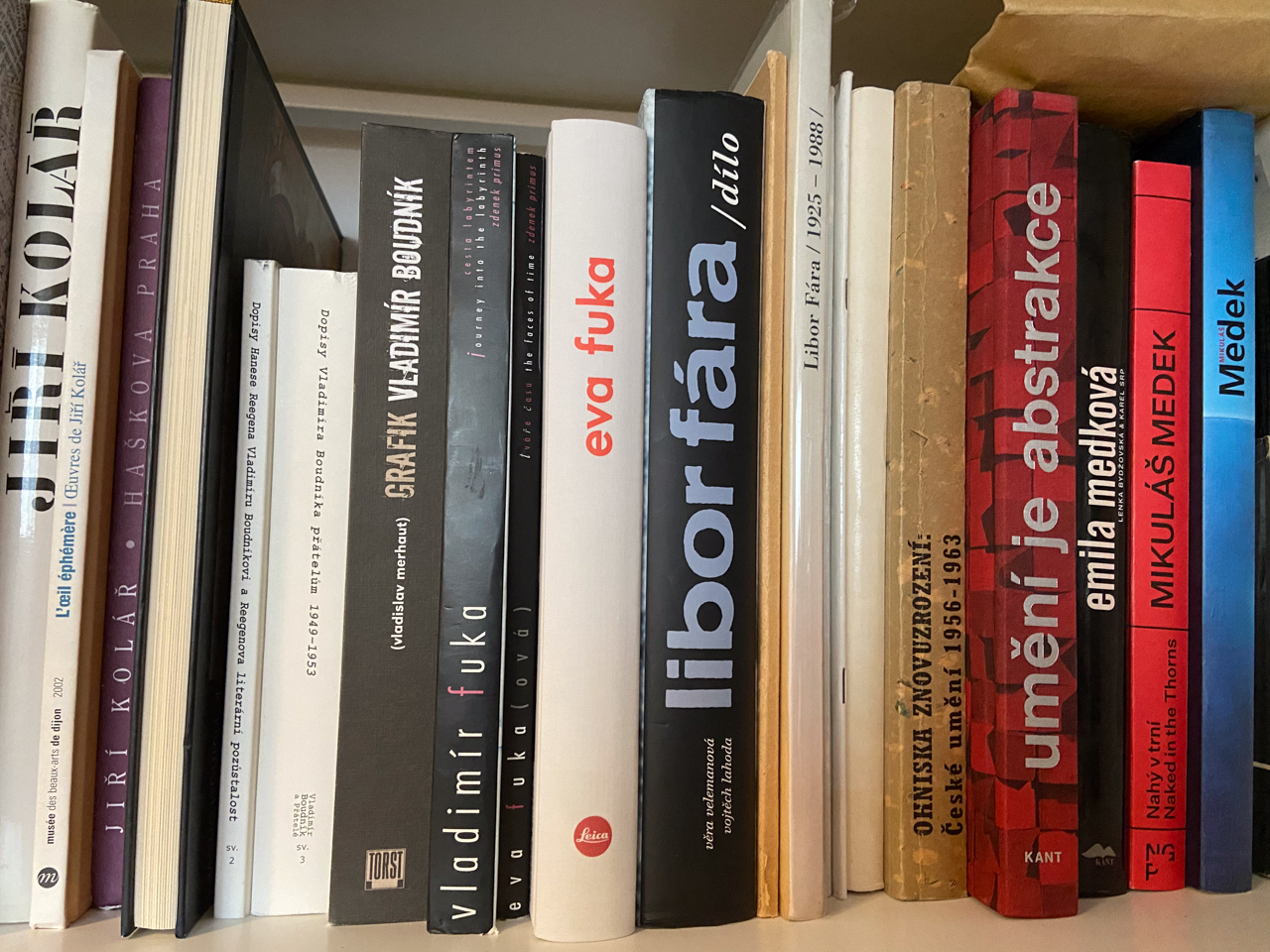
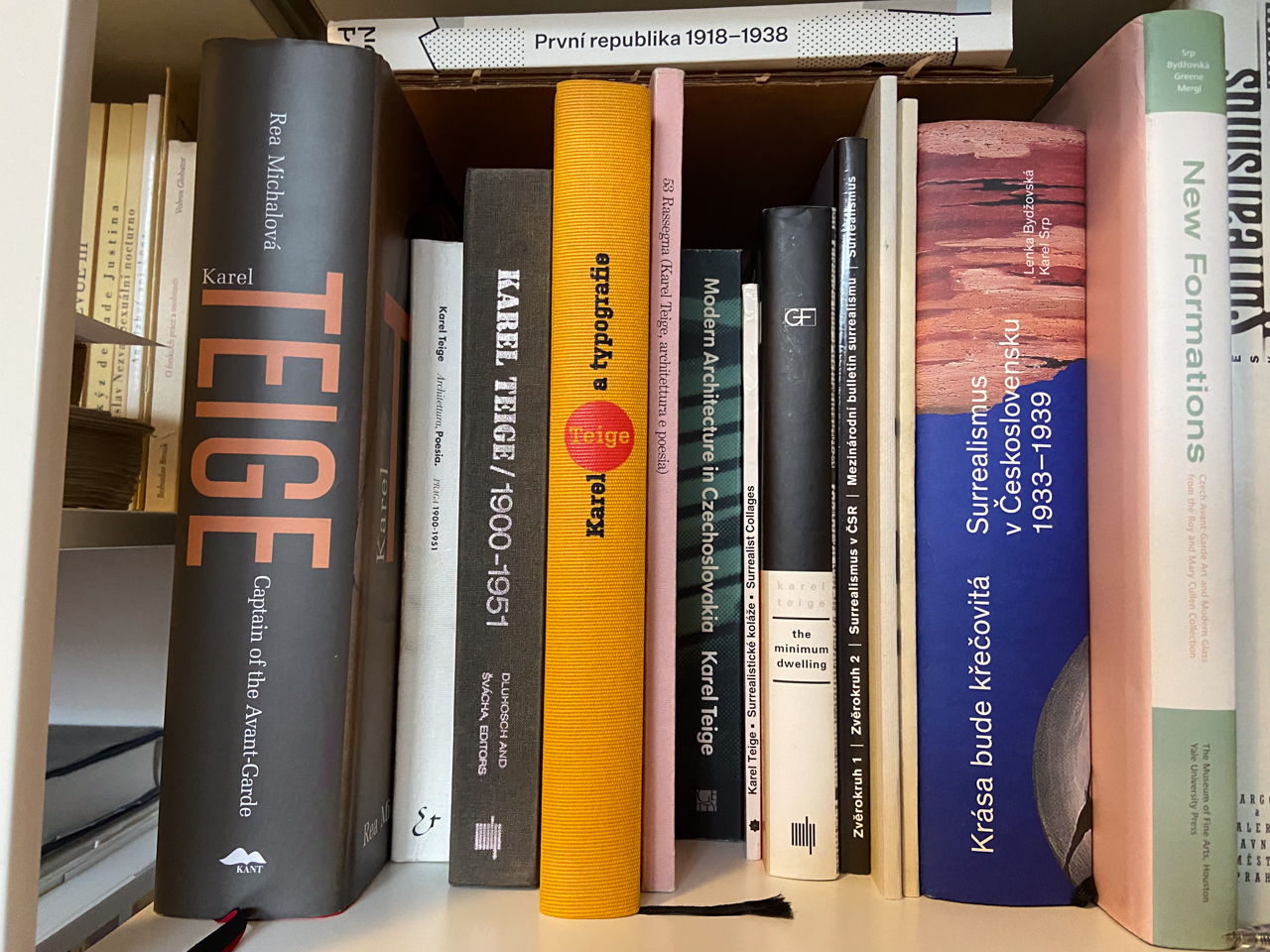
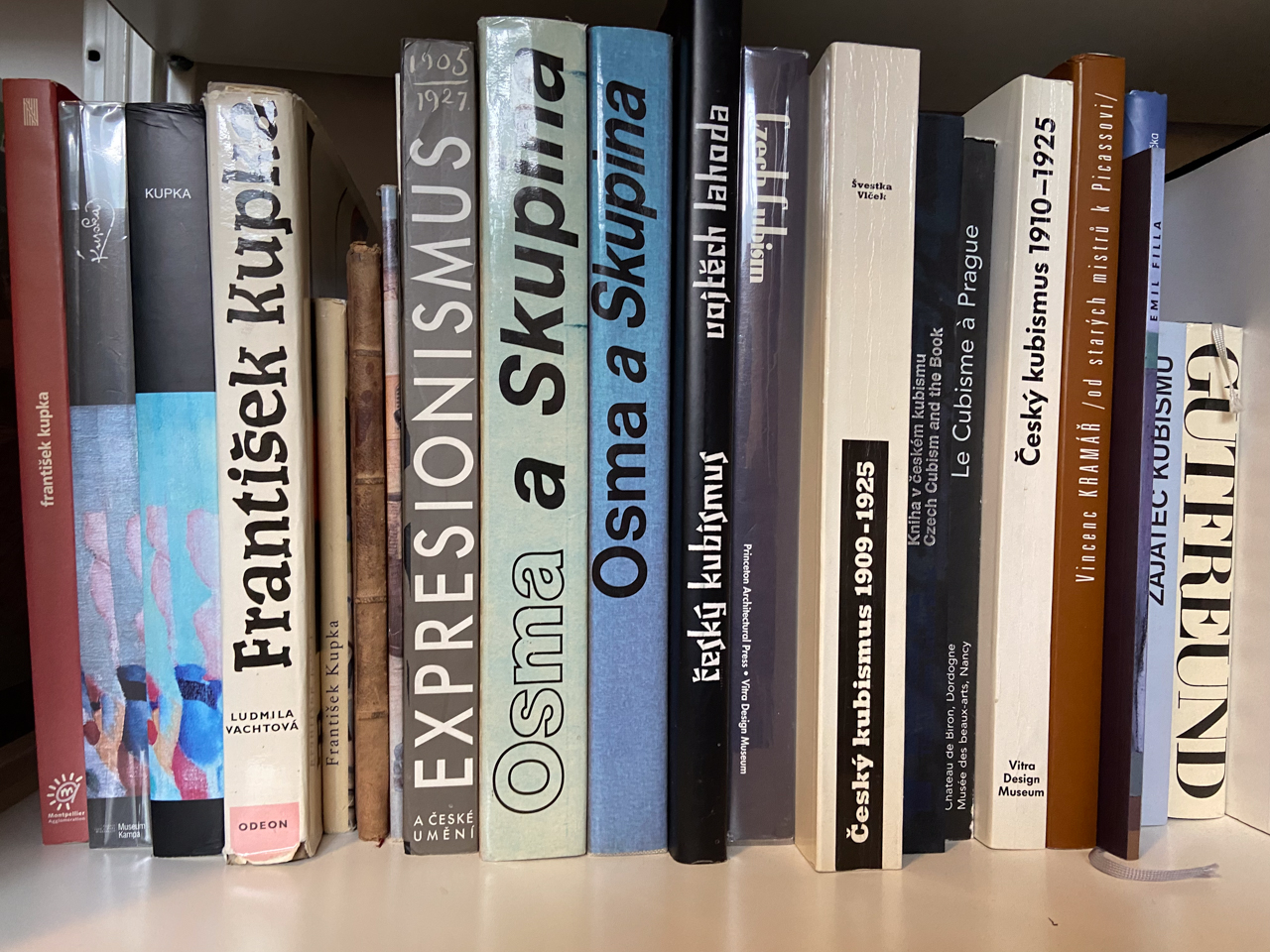
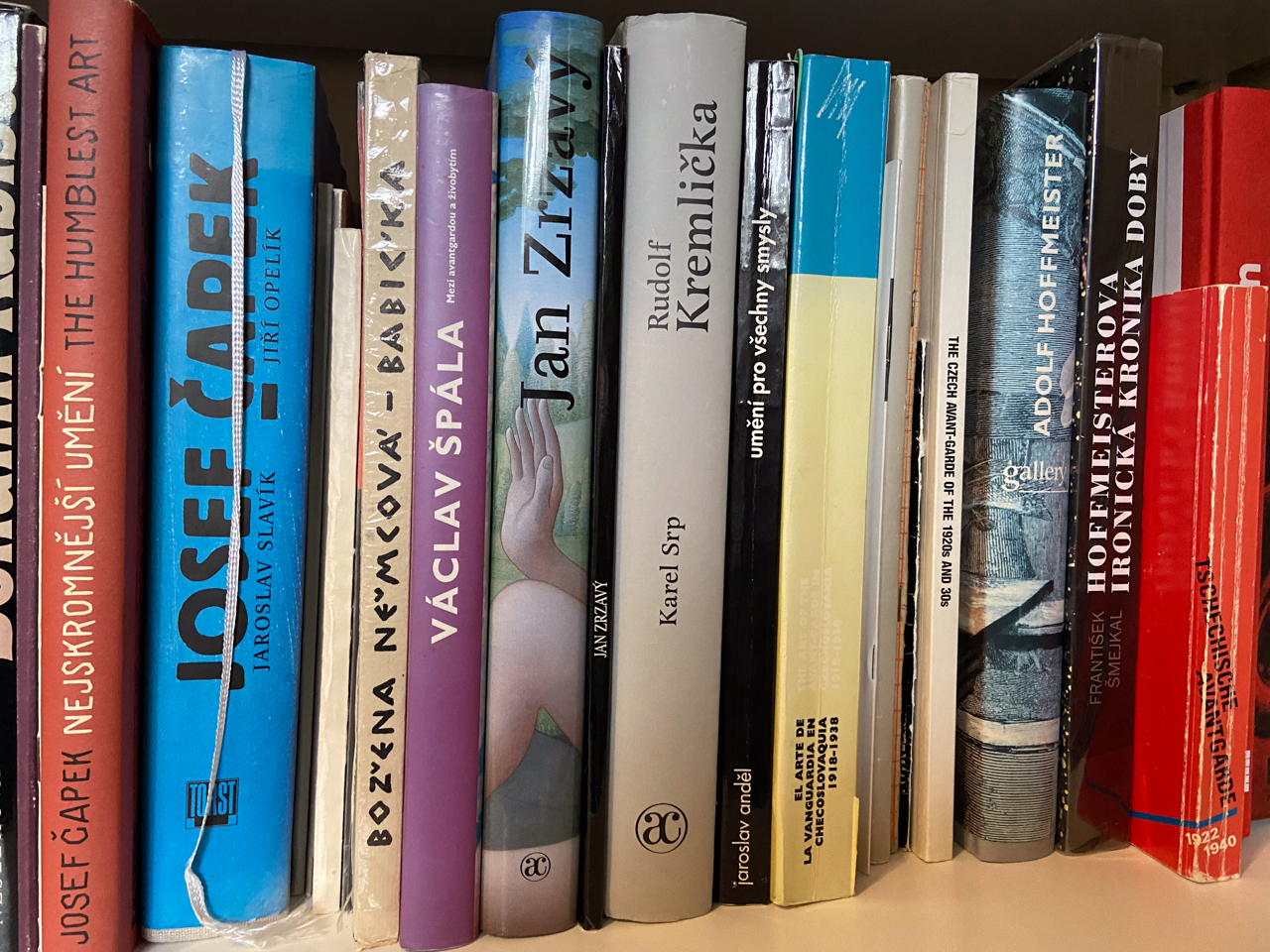
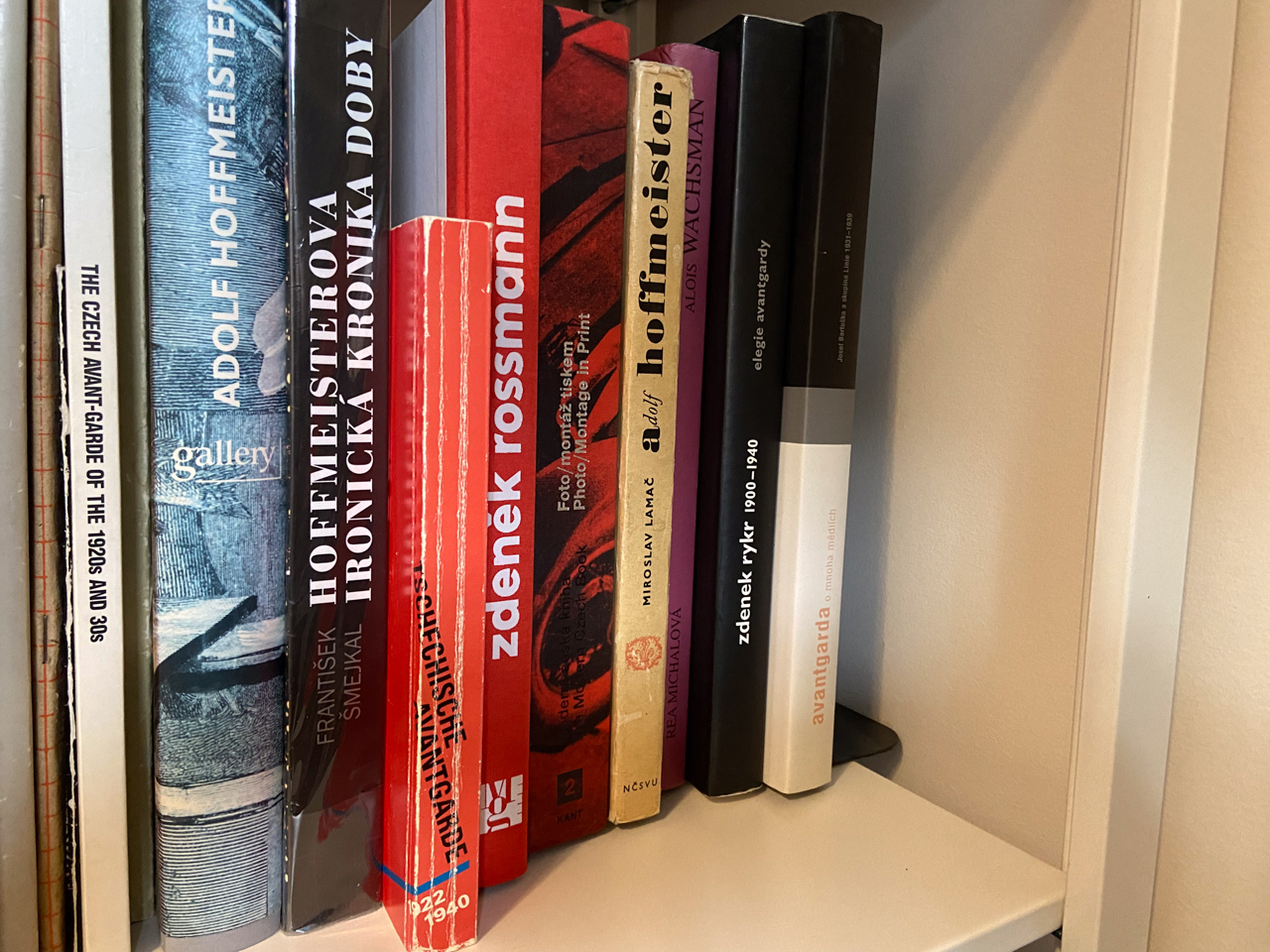
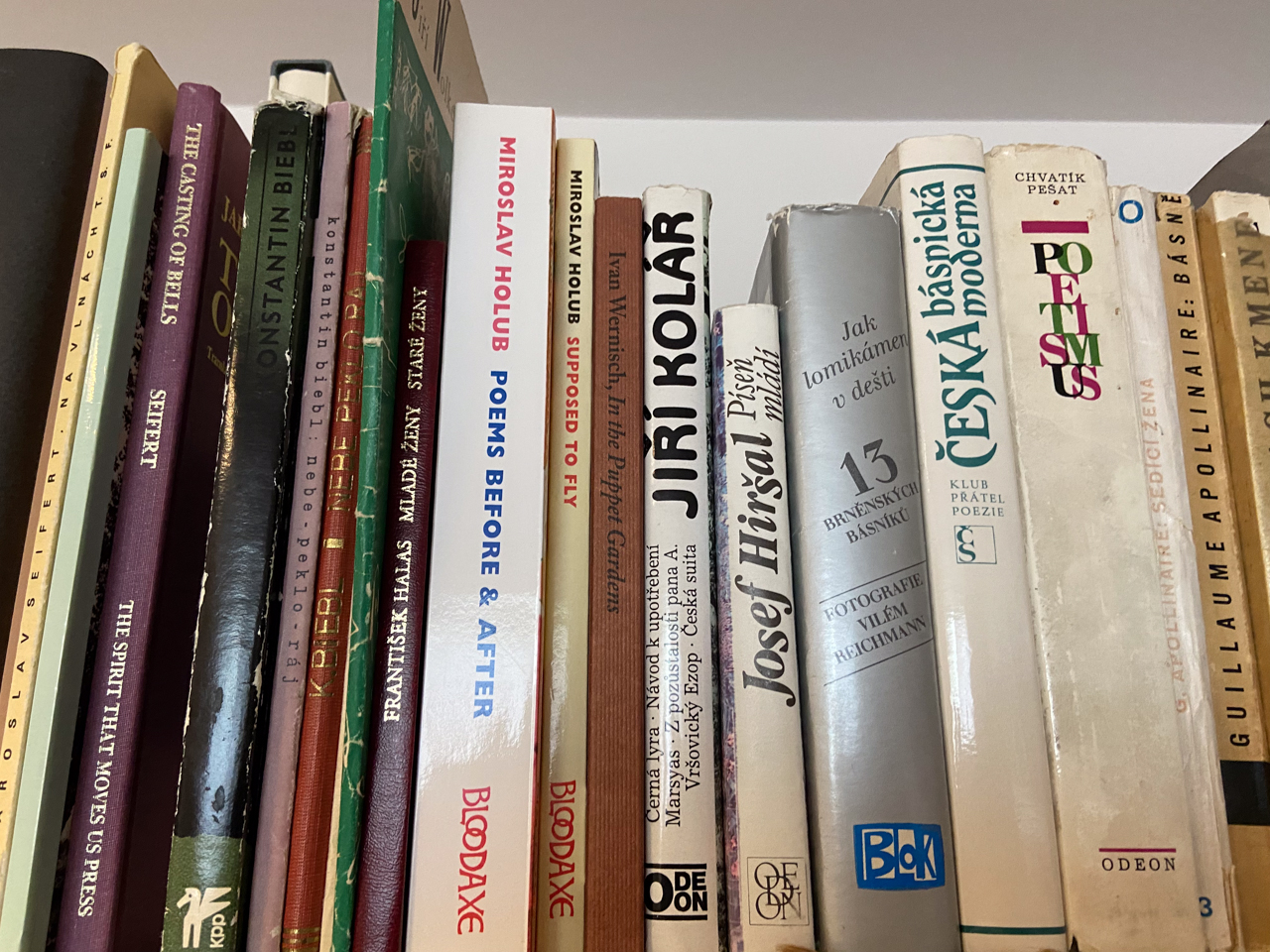
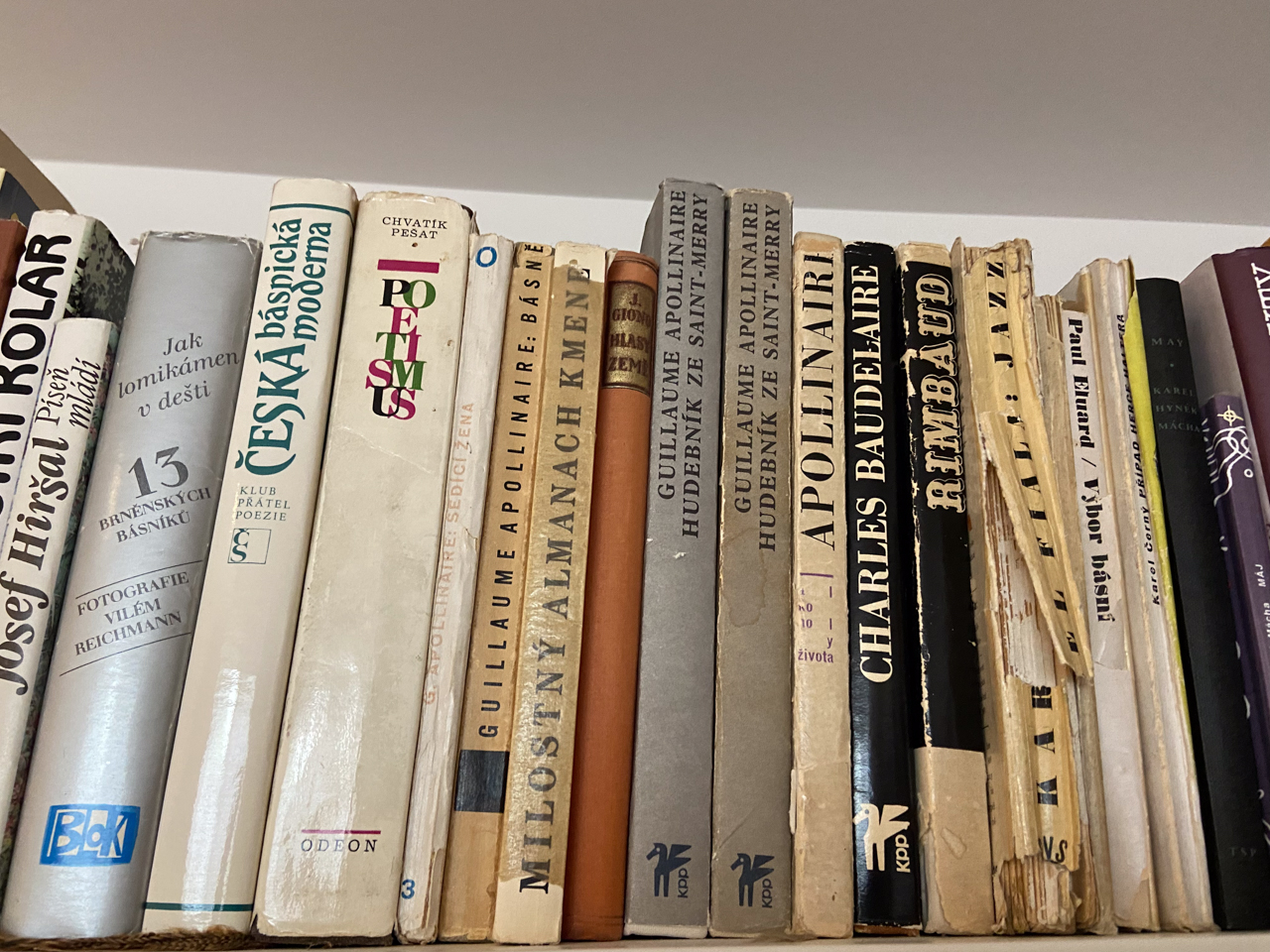
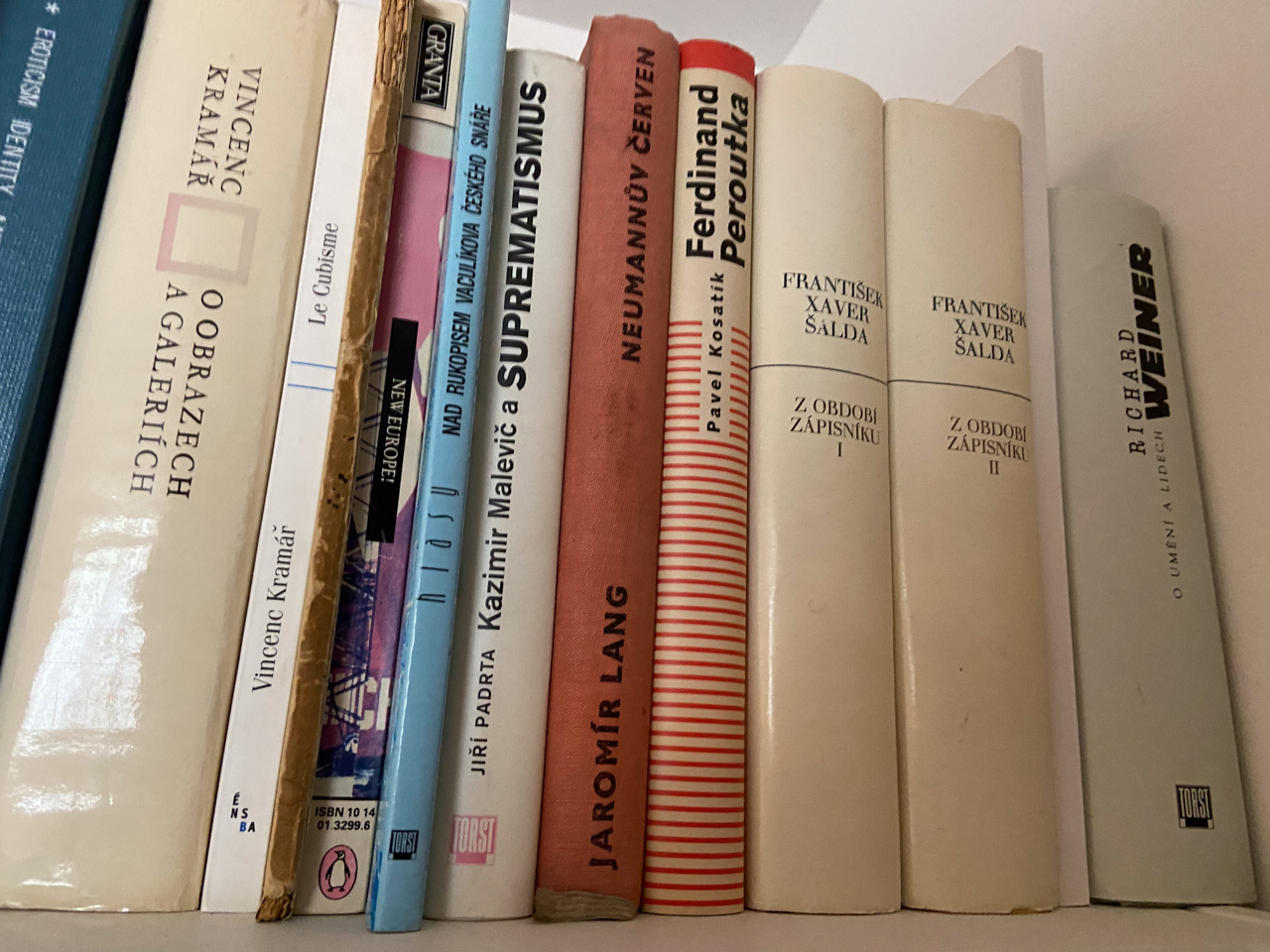
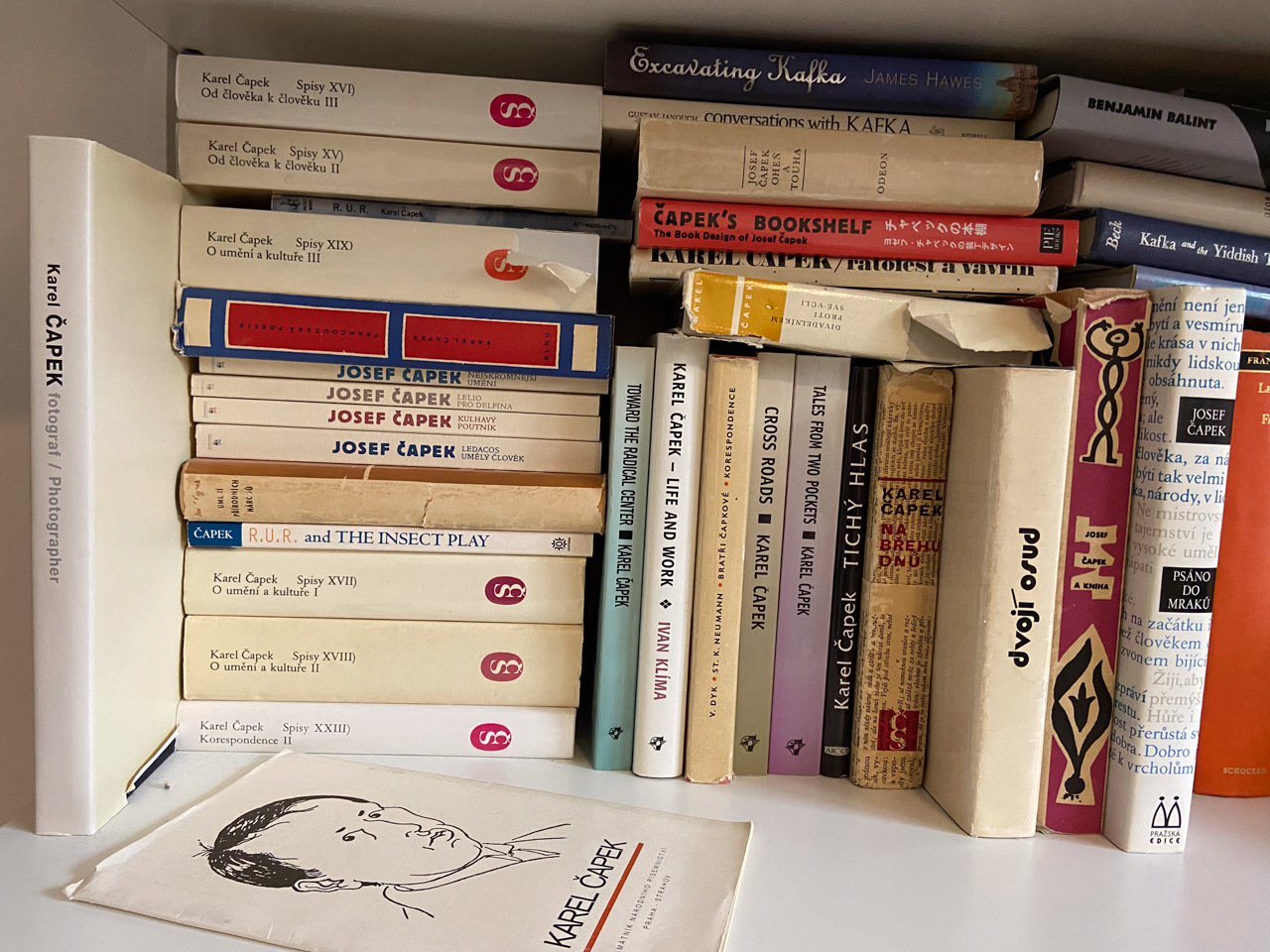
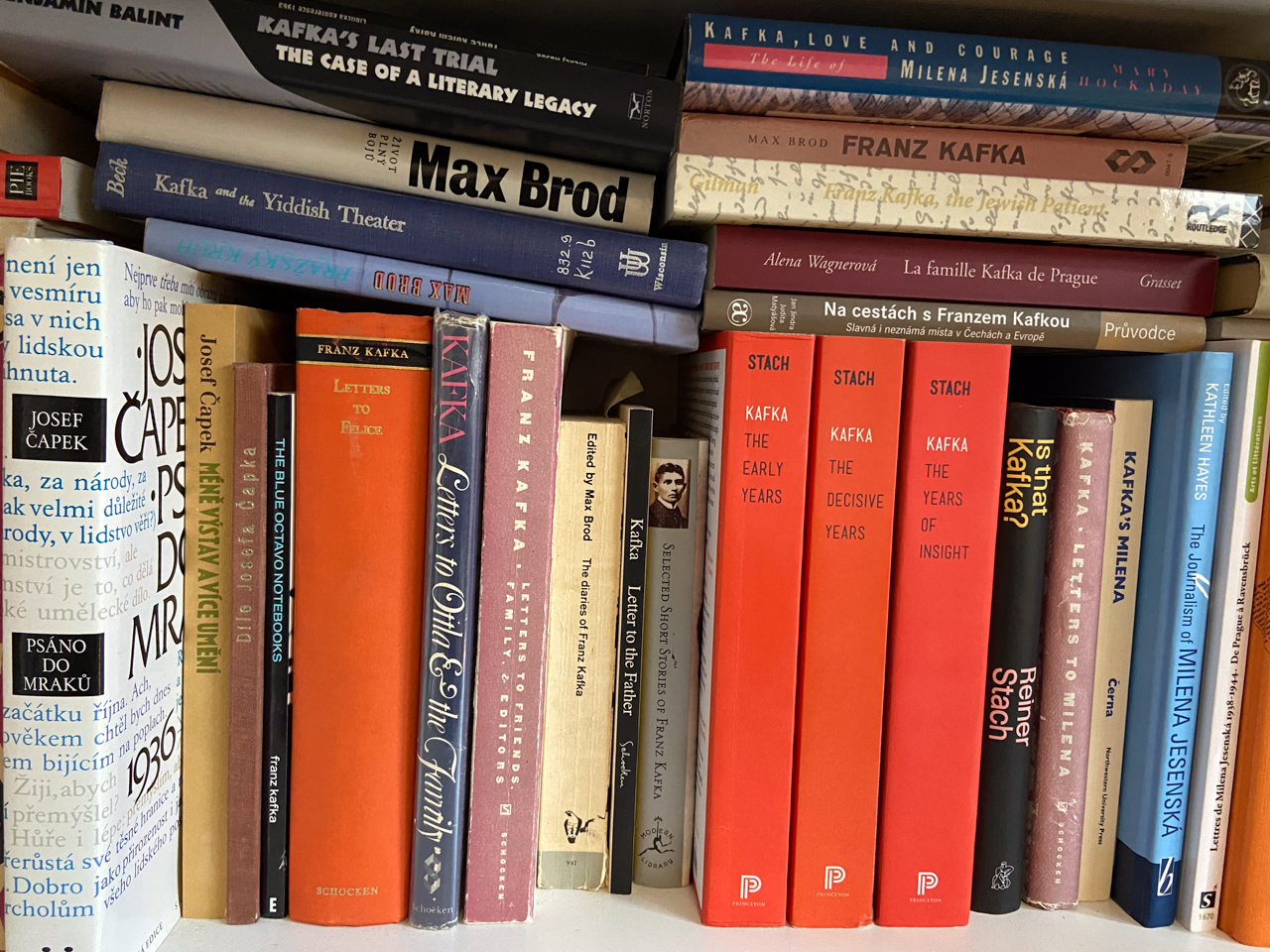
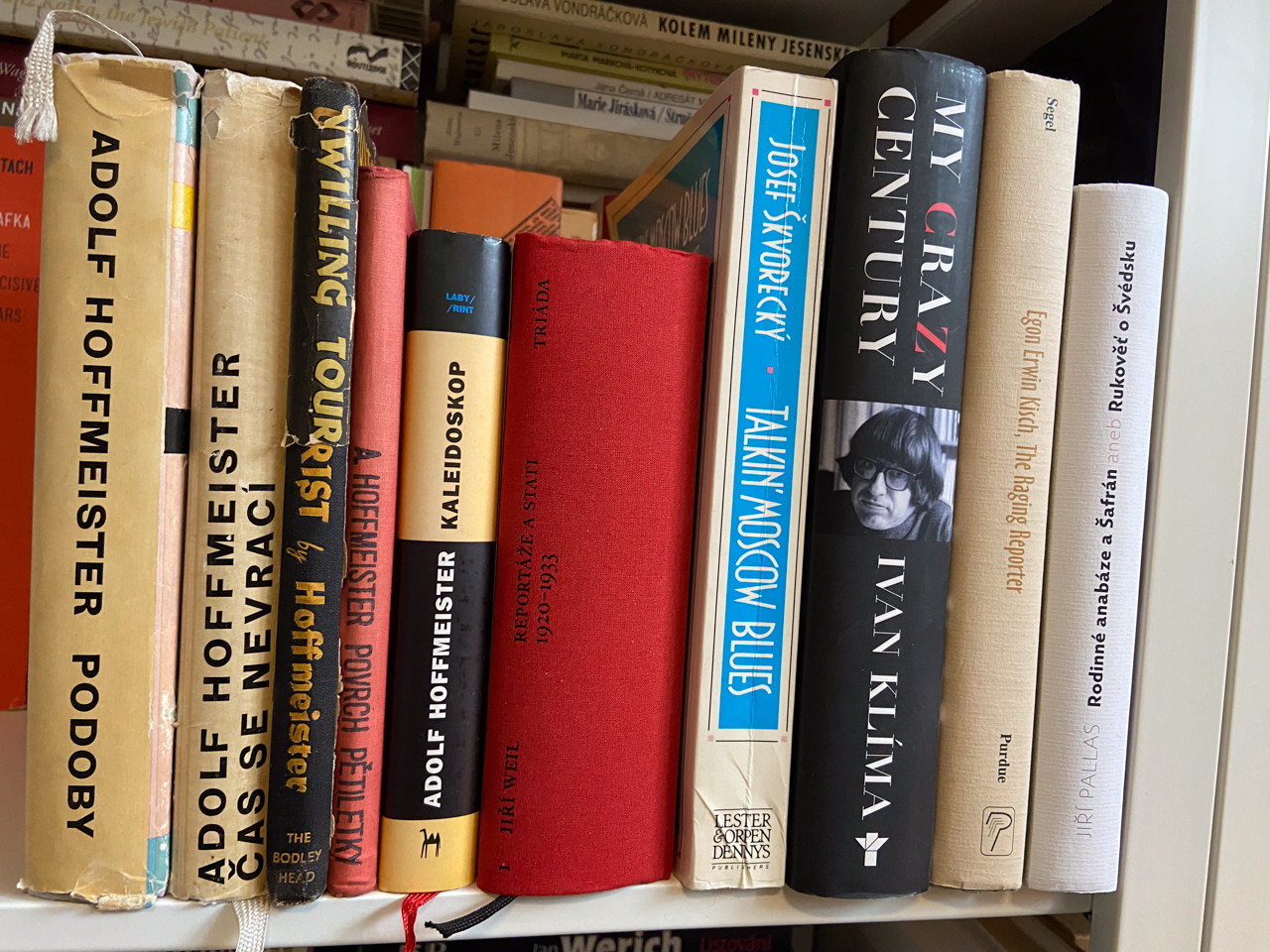
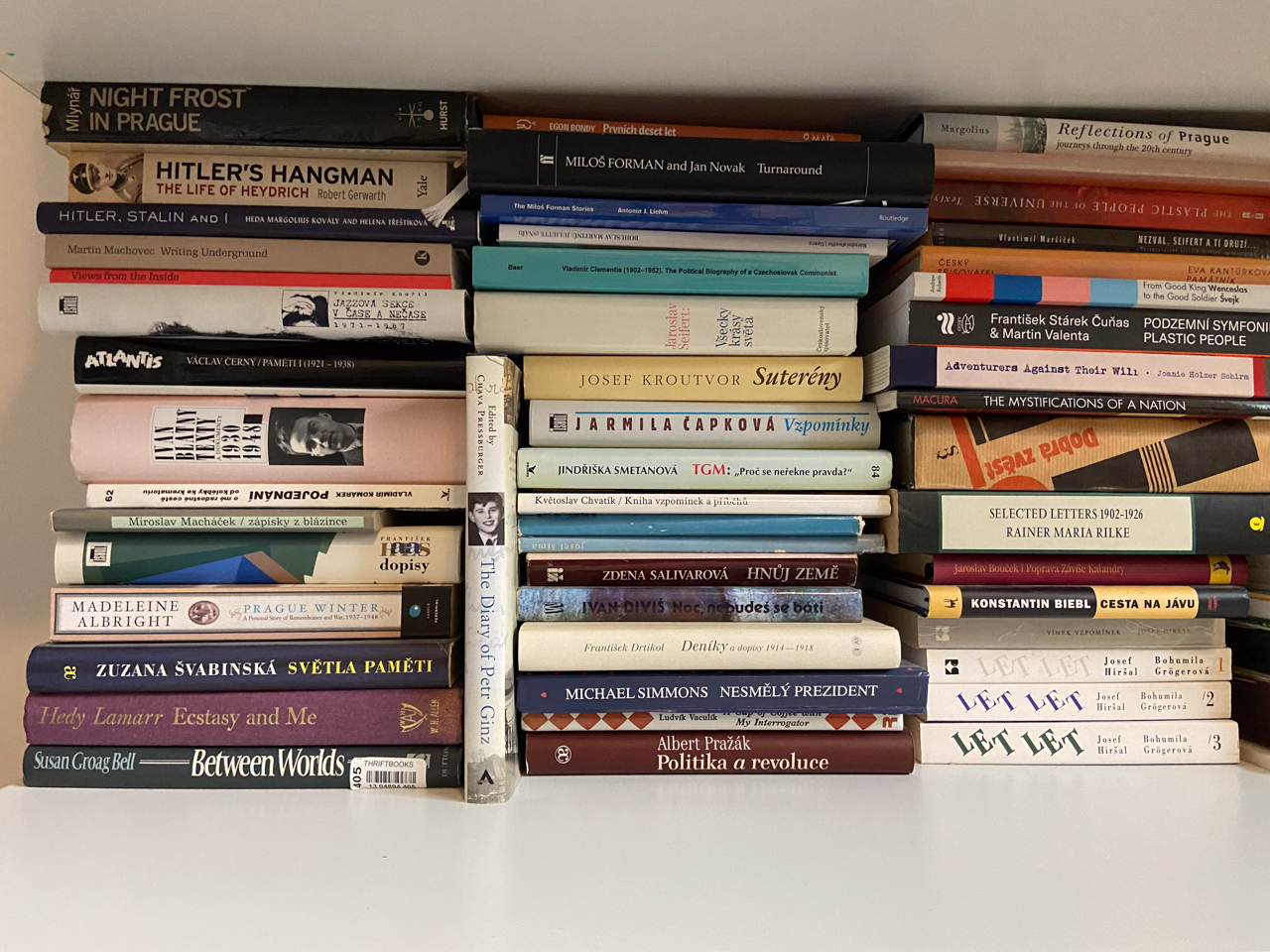
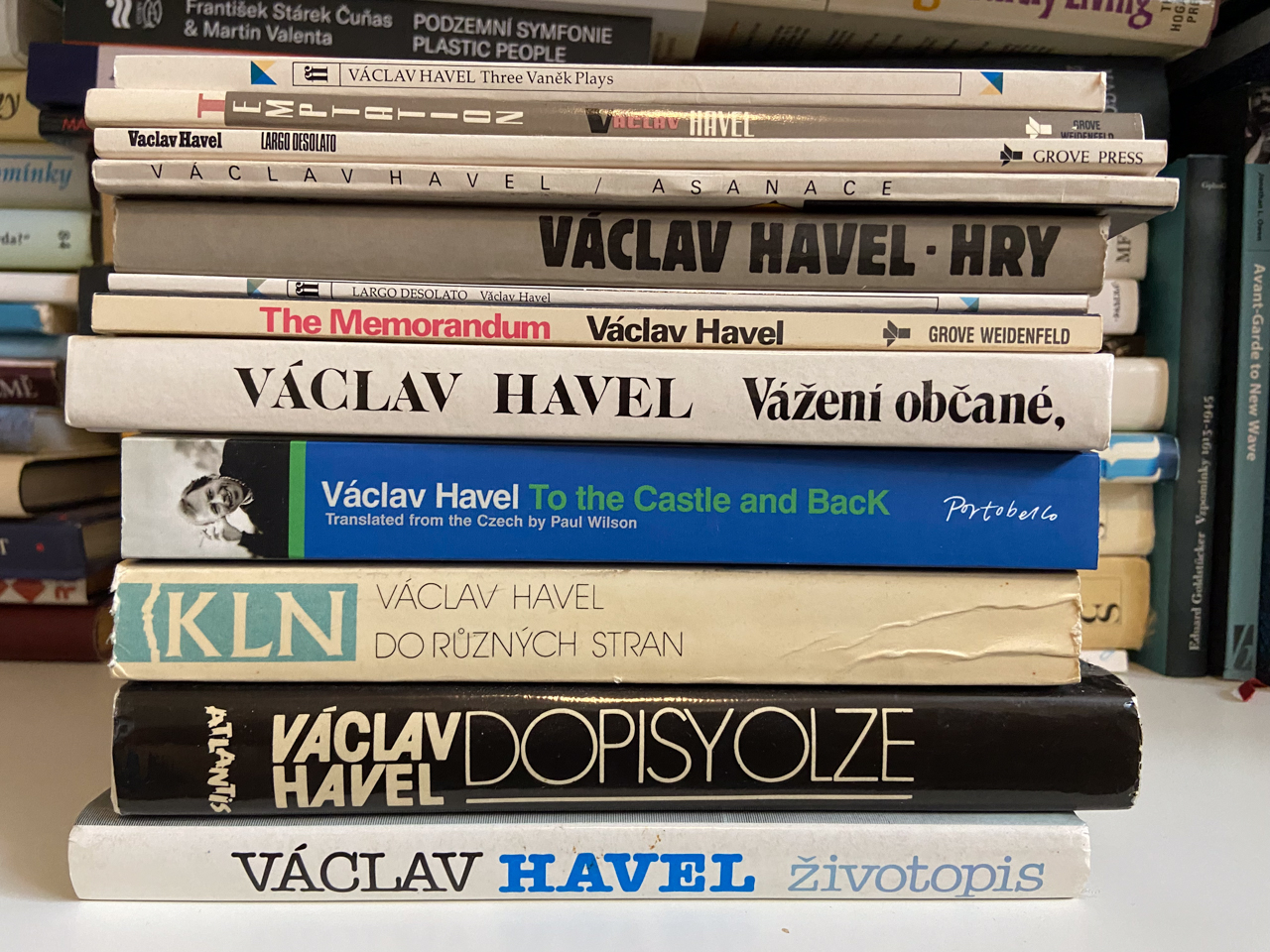
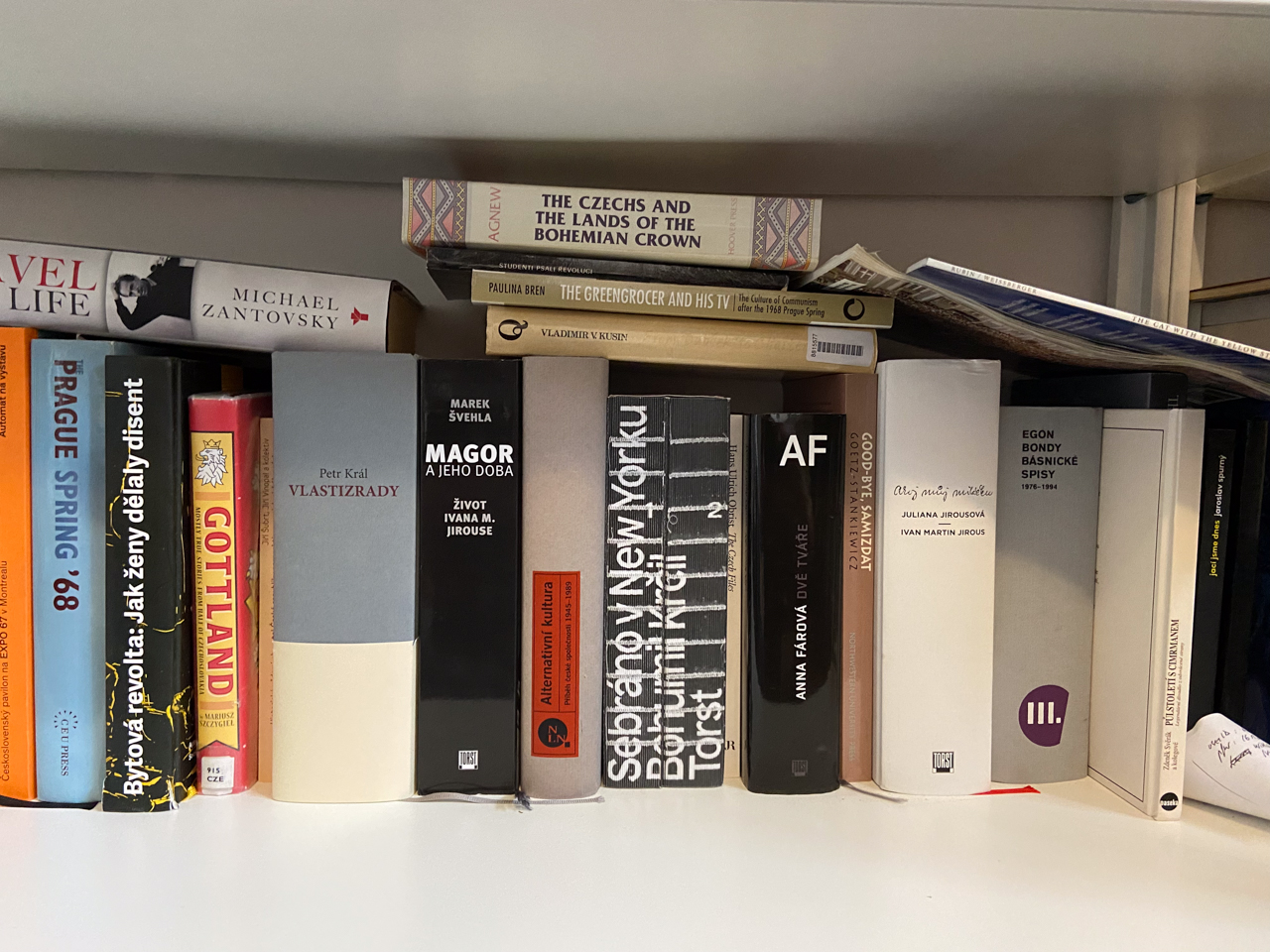
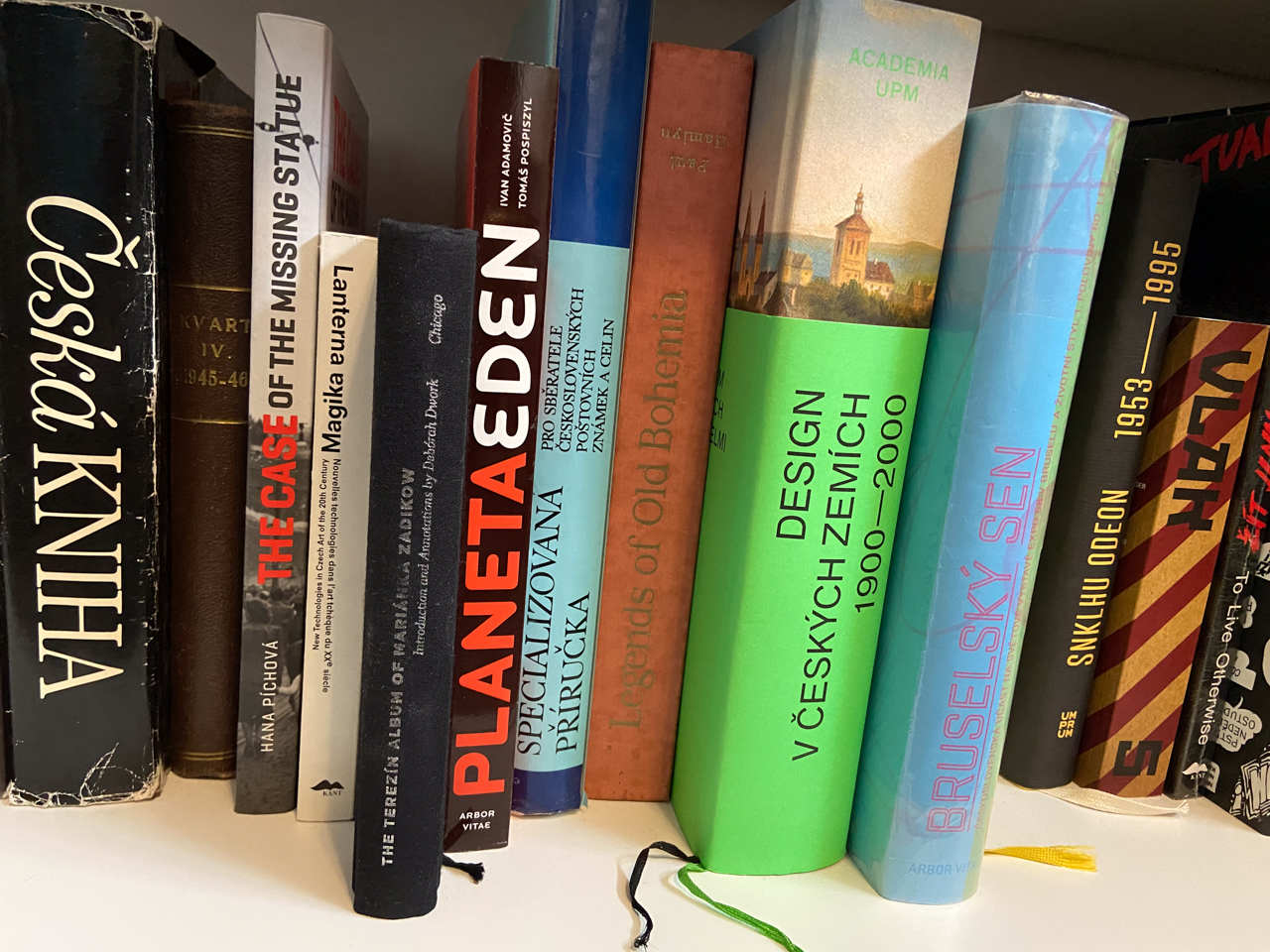
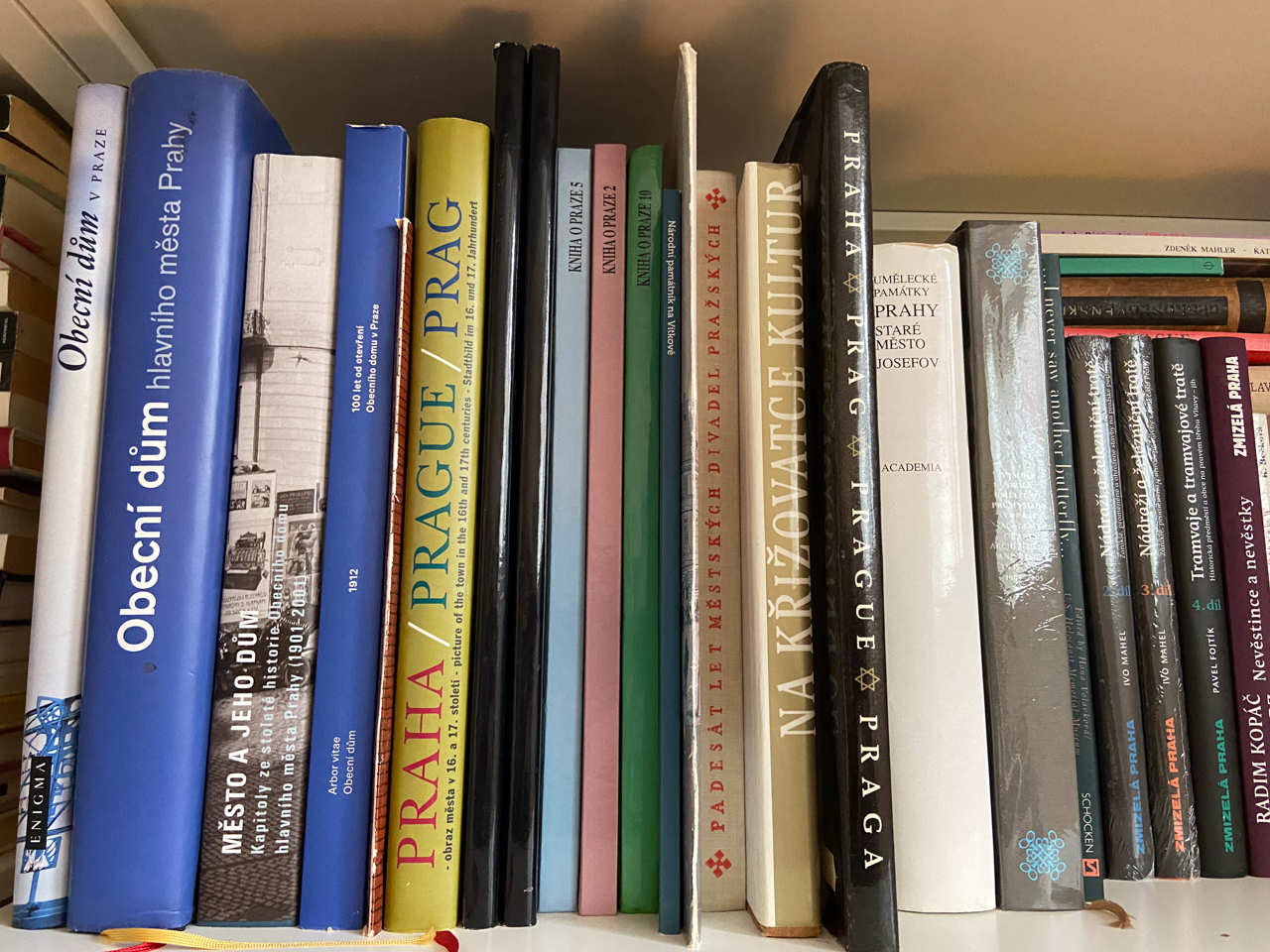
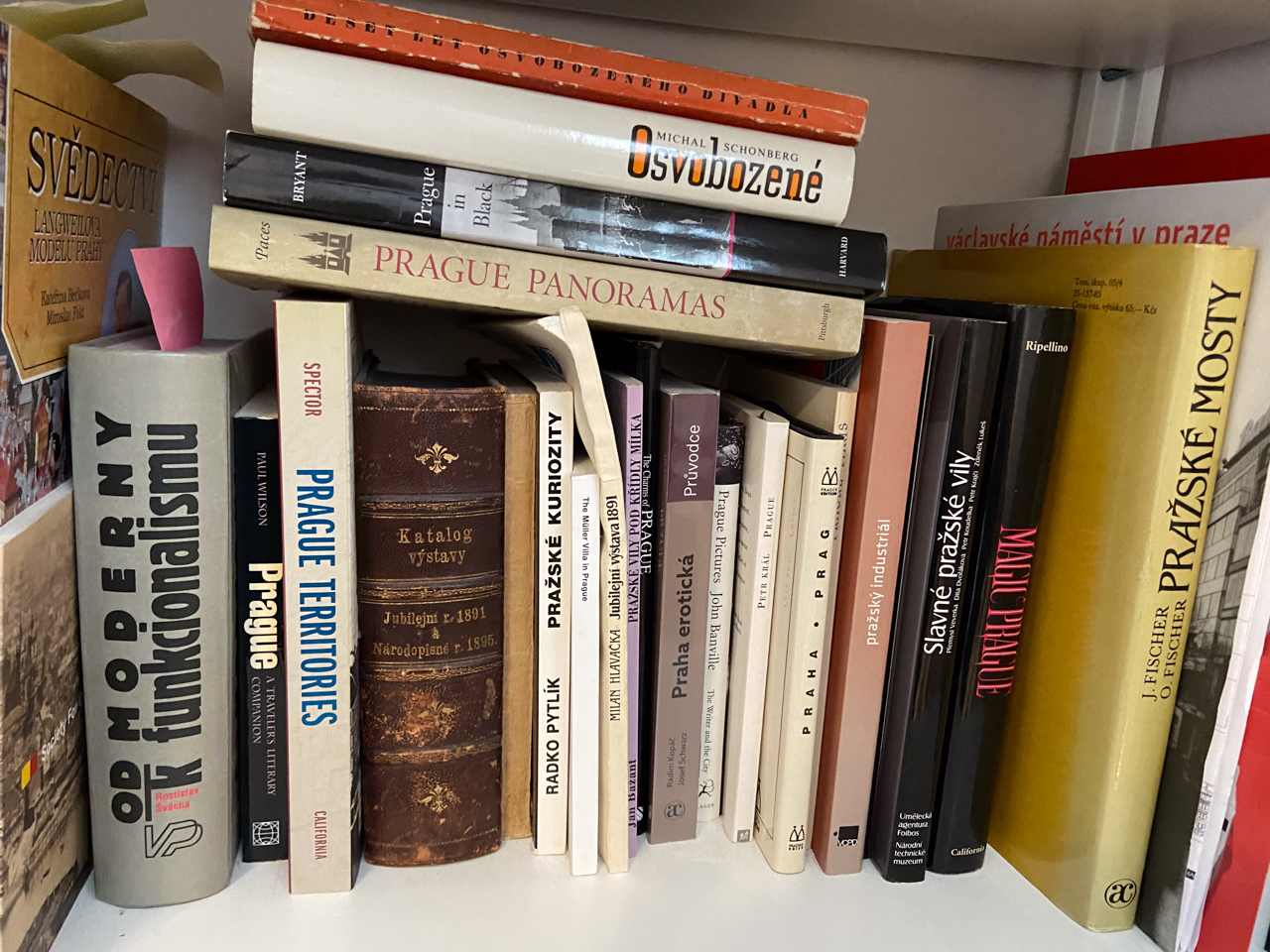
Over the last 25 years I have accumulated a large library of books relating to modern Czech cultural and political history and the city of Prague. These include works of literature (novels, plays, poems); anthologies of primary documents in art, architecture, film, etc.; biographies, memoirs and correspondence; art exhibition catalogues of various dates, covering many of the most significant 20th– and 21st–century exhibitions in Prague; works of reference; guidebooks and street directories; bound volumes of popular magazines; albums of historic photographs; and secondary works on history, politics, art, architecture, music, theater, film, and the city itself.
The photographs accompanying this post give an indication of the range of the collection, though not every individual item is included. There are around 1050 items in all. I have grouped them in galleries, each of which contains six photos. Click on the individual images to enlarge.
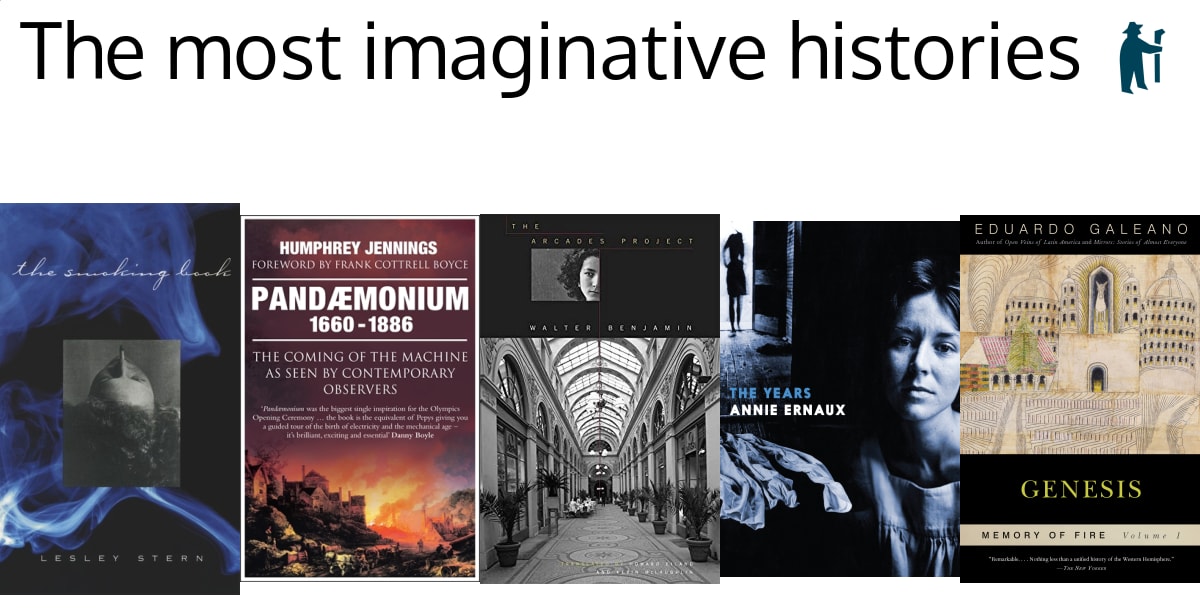
I was invited by the Shepherd website to provide a list of five favorite books in any category. I chose “imaginative histories,” a concept coined by the documentary filmmaker, founder of the pioneering social research outfit Mass–Observation, and leading member of the British surrealist group Humphrey Jennings. My five recommendations may be found here.
By chance, websurfing for something completely different, I came across this today:
In contrast Rank Hypocrisies: The Insult of the REF by Derek Sayer was fantastic. It’s a blistering indictment of the lunacy of REF and persuaded me of a position I’d been slowly, up till now reluctantly, moving towards: metrics are obviously the lesser of two evils. They’re far from perfect (to say the least) but they would be a huge improvement on REF2014. He makes the case convincingly that the ‘peer review’ of the REF falls dramatically short of accepted standards of peer review. Far too few people are asked to review far too much. They also frequently have little to no specialist knowledge about the work they’re ‘reviewing’. He’s particularly interesting on the politics of the ‘internal REFs’ that have been conducted and paints a vivid picture of the vast REF bureaucracy being reduplicated within each university itself. He argues that this is an important tool for the disciplining of academic labour, extends the power of managers and the exercise as a whole (‘modernization’ of higher education) entrenches a small elite within the sector. To use the memorable phrase offered by Will Davies, which I’ve had stuck in my head for ages now, the whole thing is an exercise in heating up the floor to see who can keep hopping the longest.
Mark Carrigan, “Things I’ve been reading recently #2,” posted on his blog on February 17, 2015
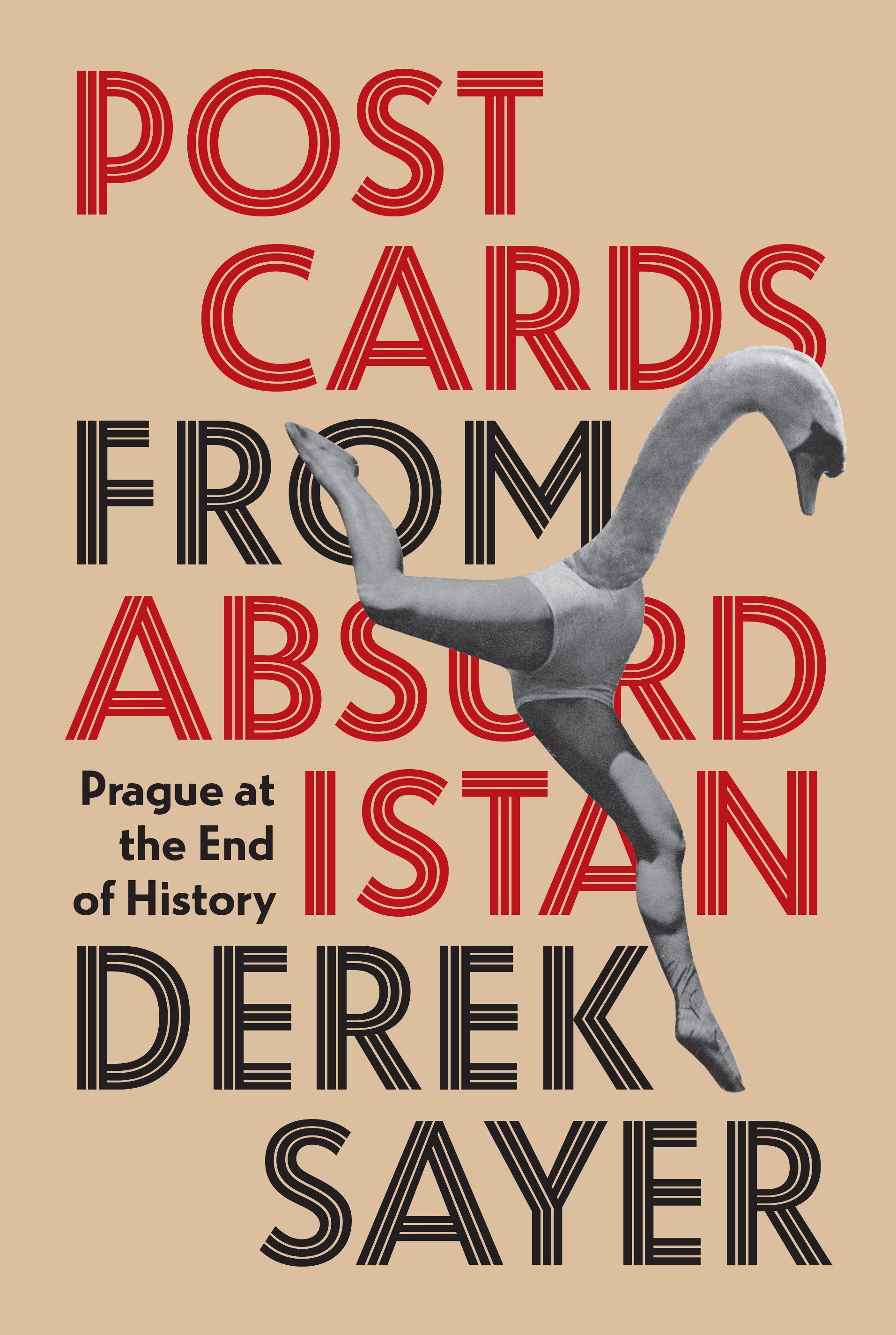
I am gratified that Postcards from Absurdistan: Prague at the End of History was chosen as one of three finalists for the Association of American Publishers PROSE Award for European History.
“The 2023 PROSE Award entries considered by our judges illustrate the wide breadth of excellence, diversity, and merit in scholarly works published today, in all areas of academic study,” commented Emily Bokelman, Manager, Member Programs, AAP. “Our 25-judge panel evaluated this year’s entries to select 105 titles as finalists, further naming 40 exceptional titles to be honored as Category Winners.”
I have recently published a short essay on the eventful life of the “Czech writer, publicist, dramatist, painter, illustrator, scenographer, caricaturist, translator, diplomat, lawyer, professor, and traveler” (as he is described in the Czech Wikipedia; French Wikipedia adds “and radio commentator”) Adolf Hoffmeister (1902–1973), known to his friends as Ada.
A central character in my book Postcards from Absurdistan: Prague at the End of History, Hoffmeister wrote the libretto for Hans Krása’s children’s opera Brundibár, which was staged 55 times in the notorious Terezín (Theresienstadt) ghetto during 1943-4 before the composer, the set designer František Zelenka, and most of the children in the cast were deported to Auschwitz and murdered.
I end the essay:
Hoffmeister died of a heart attack on July 24, 1973. His life was extraordinary, and yet it was thoroughly representative of Czechoslovakia’s twentieth century. Like countless other men and women—writers and politicians, architects and athletes, journalists and filmmakers, artists, musicians, and comedians—his story shows why Czech dissidents sardonically baptized their country Absurdistan. Biographies like Ada’s are why Prague provides a more revealing vantage point on the modern condition than the western capitals from which we are accustomed to look out, naively equating history with progress. Things look different when viewed from Central Europe. Prague’s modernity undermines easy distinctions between east and west, good and evil, right and wrong. Here, all choices come with costs, and the lines dividing collaboration and resistance, consent and dissent, dissolve into a blur of moral uncertainties. This is a landscape painted in infinite shades of gray. When authoritarianism is in the ascendant and democracy under global assault, we cannot afford to dismiss twentieth-century Czechoslovakia as a faraway country. Prague’s modern history should sound a warning to us all.
I have recently published an article in Britské listy in a series in which historians reflect on the pros and cons of researching on the history of a country that is not their own. Its organizer Muriel Blaive described the aim of the series as follows:
In May 2021, Jill Massino and I organized a roundtable at the annual congress of the Association for the Study of Nationalities in New York. It was entitled The Benefits and Burdens of the “Invisible Suitcase”: Writing Contemporary History as an Outsider.
Some of the greatest historians of the contemporary period are “outsiders” to their country of study, for instance Robert Paxton and Christopher Browning in the case of France and Germany during the Second World War. Outsider perspectives enhance, complement, and complicate existing narratives, and, as such, help to produce a more nuanced and complex portrait of the past. Yet our collective experience is that Western historians of communism in Central Europe struggle to establish their legitimacy among societies that remain attached to an ethnonationalist definition of identity. Also, many people believe that only contemporary witnesses are entitled to speak about contemporary history. This roundtable offered the cumulated experience of four scholars: Marci Shore, Jill Massino, Jan Čulík, and Muriel Blaive. We reflected on the way in which our status has affected our research, our writing, and our reception. As a result, our roundtable also offered insight into the societies we are studying and into the stakes involved in the production of history.
Britské listy has kindly offered us to publish our texts, as well as a few others on the part of colleagues who attended the panel and participated in a very lively discussion.
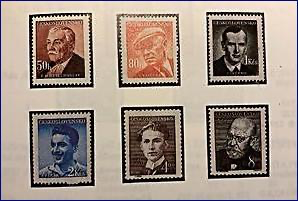
My contribution began with reflections on a conversation in a Prague pub with a Czech colleague thirty years ago on a 1949 set of Czechoslovak postage stamps that he found absolutely unremarkable and I found utterly surreal. I titled the article “The Density of Unexpected Encounters.”
The Guardian did not think the following letter, responding to a column by the self-proclaimed feminist Zoe Williams, worth publishing. The “terrible gift” to which Williams refers was a book that she identifies as Kafka’s Milena: Life of Milena Jesenská. No such book exists: she might be referring to Jesenská’s daughter Jana Černá’s Kafka’s Milena (which has no subtitle) or Mary Hockaday’s biography Kafka, Love and Courage: The Life of Milena Jesenská. It probably doesn’t matter, since Williams considered her father’s gift an insult and didn’t bother to read the book.
19 December 2022
Dear Editor,
I take issue with Zoe Williams’s article “I unwrapped Dad’s terrible gift …” (December 19). Humour is humour, but Milena Jesenská deserves better than to be ridiculed as “KAFKA’S FUCKING MUSE” (sic). Jesenská was a pioneering advocate of women’s emancipation, who as an independent journalist and translator practiced what she preached.
For the record: “Metamorphosis” was published in 1915, five years before Franz and Milena first corresponded in connection with her translating his work into Czech. Their love affair was almost entirely epistolary, lasted less than a year, and was likely not consummated. Jesenská was then in her early twenties. She had a life before, after, and beyond Kafka.
She went on to became one of Czechoslovakia’s most distinguished journalists, whose reportage on events in Central Europe in the 1930s (the rise of Nazism, the Vienna Anschluss, persecution of Jews, the Munich Agreement, the invasion of Czechoslovakia) is of lasting value to historians. Her writings on refugees are especially moving and have lost none of their pertinence today.
Milena was arrested by the Gestapo for resistance activities in November 1939 and died in Ravensbrück concentration camp in May 1944. In 1995 the World Holocaust Remembrance Center Yad Vashem listed her as Righteous among the Nations—that is, “non-Jews who took great risks to save Jews during the Holocaust.”




















 coasts of bohemia